New study confirms an excellent survival rate of cancer patients in a medication donation program
A new study led by Boston University School of Public Health, The Max Foundation, and Novartis found that patients with chronic myeloid leukemia (CML) and gastrointestinal stromal tumor (GIST) receiving treatment in low- and middle-income countries (LMICs) as part of the Glivec® International Patient Assistance Program (GIPAP) have survival rates that compare favorably to those of patients receiving treatment in high-income countries.
The paper – published in EClinicalMedicine, an open–access clinical journal published by The Lancet – is the first study of its kind to interpret medium- to long-term survival rates of CML patients in LMICs and estimate the number of lives saved through a global access program.
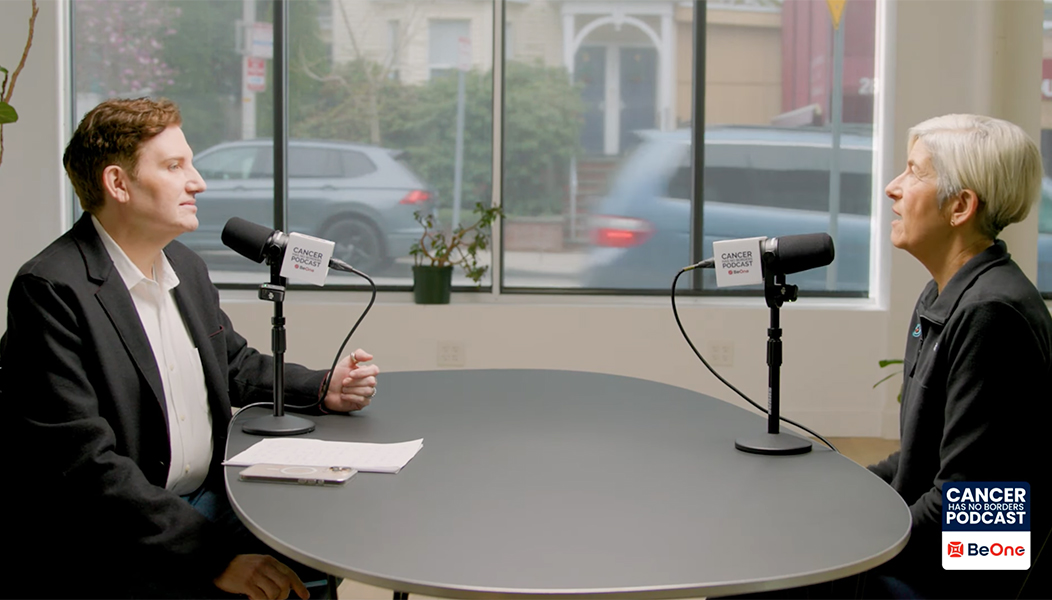
“This shows the profound impact access to treatment can have on every individual diagnosed with cancer, no matter where they live. Without this access program, many of these patients may not be alive today,” says The Max Foundation CEO Pat Garcia-Gonzalez, and co-author of the paper.
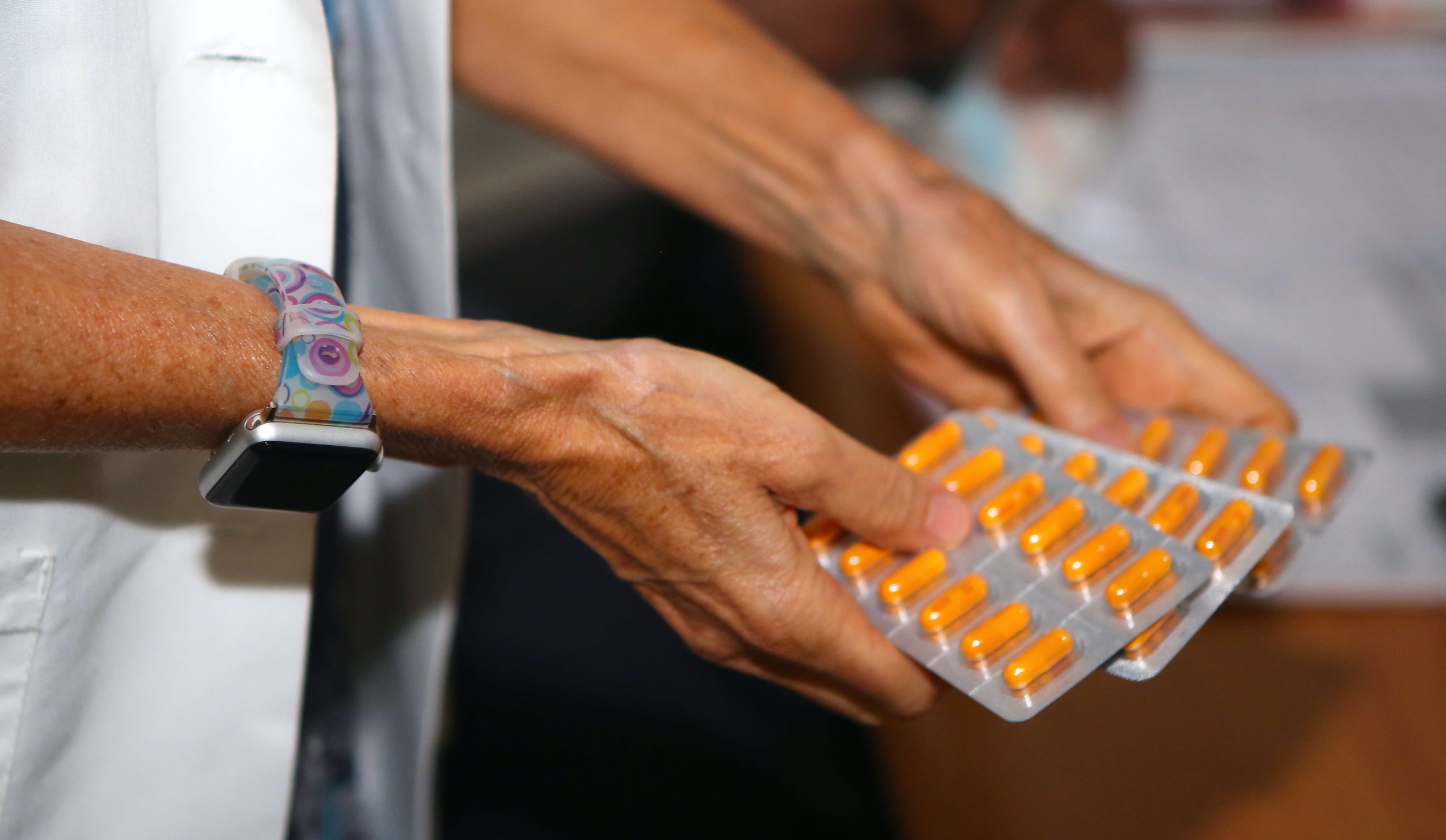
The Glivec® International Patient Assistance Program (GIPAP) was established by Novartis and, since 2002, implemented in partnership with The Max Foundation. The program operated on a direct-to-patient drug donation model and in partnership with patients’ treating physicians. Between 2001 and 2014, GIPAP provided imatinib to more than 63,000 patients in 93 countries.
The paper concludes the following findings:
- GIPAP patients had a 5-year survival rate of 89% (unadjusted for patients’ prognosis at the time of diagnosis).
- Despite the limitations in providing cancer care in under-resourced settings, GIPAP patients living with CML have similar survival rates compared to CML patients in high-resource settings.
- Over five years, the potential number of CML patients saved by GIPAP is estimated to 17,107 people.
These findings are significant to our work at The Max Foundation as we’ve transitioned the GIPAP program into CMLPath to Care, under the umbrella of Max Access Solutions.
Today, Max Access Solutions remains a patient-centered model, now including access to second- and third-line treatment, collaborating with a robust network of leading cancer–treating institutions and physicians, drug manufacturers, international distributors, and local patient support organizations.
Max Access Solutions currently provides treatment to over 17,000 patients living in more than 70 countries and offers a diverse portfolio of treatment from Humanitarian PACT members, including Novartis.
The paper is authored by Chukwuemeka A. Umeh, DrPH, Boston University School of Public Health; Pat Garcia-Gonzalez, CEO of The Max Foundation; David Tremblay, Global Director of Patient Access at Novartis Oncology; and Richard Laing, MD, Boston University School of Public Health, University of Western Cape.
Read the full study online. Visit Pat’s LinkedIn post for her takeaways of this study.